
Is My Puppy's Biting Normal? Understanding Mouthing Behavior
Your puppy's teeth are like tiny needles and they're constantly using them on you. Is this normal? When should you worry? Here's what you need to know.
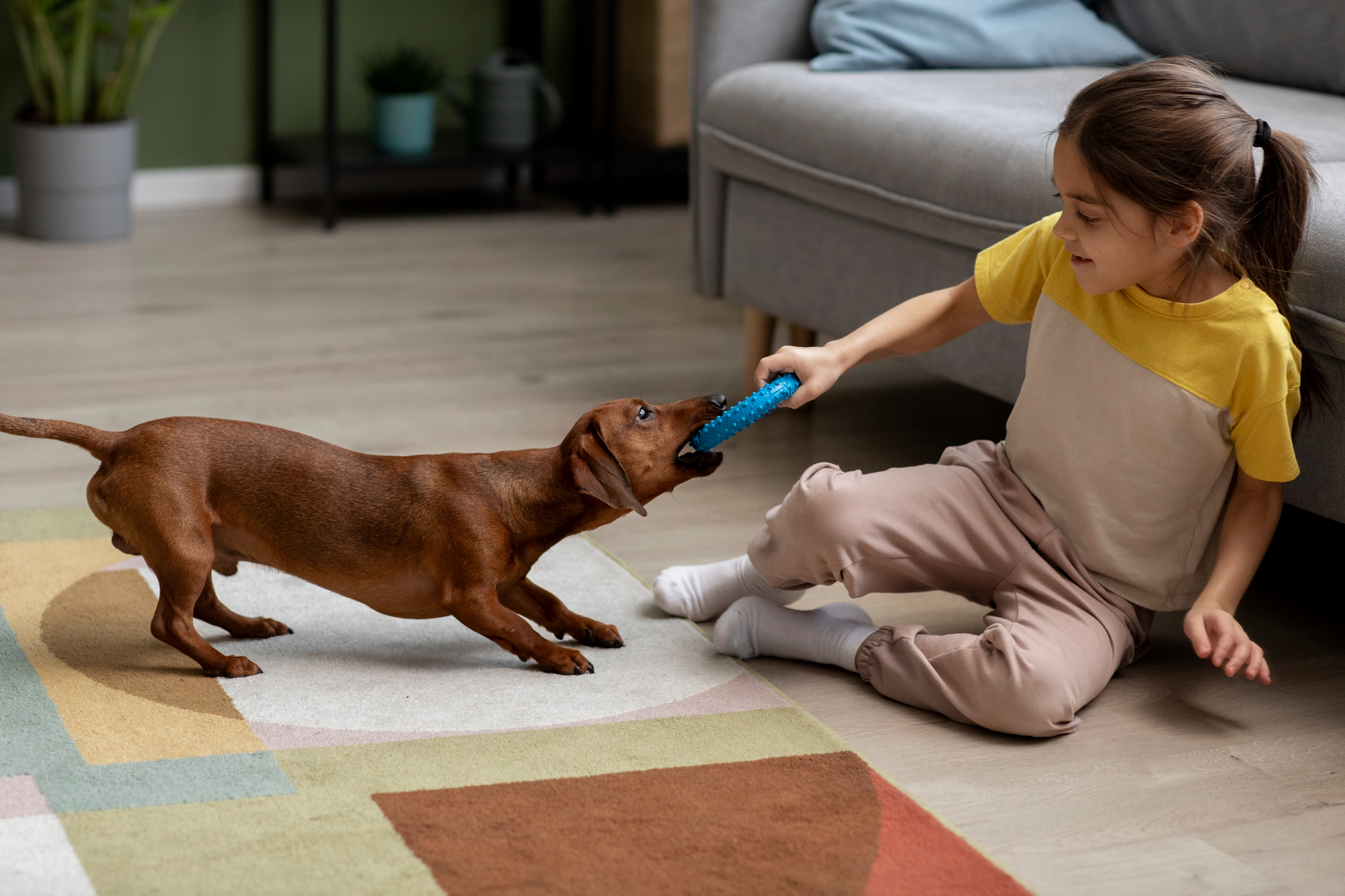
Your adorable new puppy is also a tiny land shark. Those needle-sharp teeth are constantly finding your hands, your ankles, your clothes, and everything else within reach.
It's exhausting. It's painful. And you're starting to wonder: is this normal? Did I adopt an aggressive puppy?
Take a deep breath. Puppy mouthing is completely normal — and with the right approach, it will get better.
Why Puppies Bite
Puppies explore the world with their mouths. They don't have hands, so they use their teeth to investigate textures, test boundaries, and engage with their environment. When they played with their littermates, they bit each other constantly — it's how puppies communicate and learn.
Your puppy isn't being aggressive. They're being... a puppy.
Common reasons for puppy mouthing:
Exploration. "What is this thing? Let me bite it and find out."
Teething. Between 3-6 months, puppies lose their baby teeth and grow adult teeth. Their mouths are uncomfortable, and chewing provides relief.
Play. Puppies play with their mouths. When they nip at you, they're often trying to initiate play the only way they know how.
Overstimulation. Overtired or overstimulated puppies often get "bitey." It's like a toddler having a meltdown — they can't regulate anymore.
Attention-seeking. If mouthing gets a big reaction from you (even a negative one), your puppy learns that biting = attention.
What's Normal vs. What's Concerning
Normal puppy mouthing typically looks like:
- Playful nipping during interaction
- Mouthing hands, feet, or clothing
- Biting that happens during excitement or play
- Gradually decreasing as the puppy matures (especially after teething)
Signs that might warrant professional guidance:
- Stiff body, hard stare, or growling before biting
- Biting that breaks skin regularly or causes significant injury
- Biting that seems to come out of nowhere (not during play)
- Resource guarding with aggressive behavior
- Biting that doesn't improve at all by 5-6 months
If you're seeing the concerning signs, reach out to a trainer. It's better to address potential issues early.
What Actually Helps
Redirect, redirect, redirect. When your puppy starts to mouth you, immediately offer an appropriate chew toy. Be consistent. Every time teeth touch skin, redirect to a toy.
Teach bite inhibition. When puppies bite their littermates too hard, the other puppy yelps and stops playing. You can mimic this: if your puppy bites hard, make a brief yelp-like sound, then briefly disengage. This teaches them that hard bites end the fun. Note: this doesn't work for all puppies — some get more excited by the yelp.
End play for hard bites. If your puppy bites too hard, calmly remove yourself from the interaction for 10-30 seconds. Then return and try again. This teaches: gentle play continues, hard biting makes the fun stop.
Manage overstimulation. Puppies get bitey when they're overtired. If the mouthing is escalating, your puppy might need a nap. Calmly put them in their crate or pen with something appropriate to chew, and let them settle.
Provide plenty of appropriate chewing. Puppies need to chew. Give them lots of options: frozen Kongs, bully sticks (supervised), rubber toys, rope toys. If they're chewing appropriate things, they're less likely to chew you.
What Doesn't Help
Holding their mouth shut. This can increase frustration and doesn't teach them anything useful.
Physical corrections. Hitting, flicking the nose, or alpha rolling can damage your relationship and may increase fear or aggression.
Yelling or dramatic reactions. Big reactions can accidentally reinforce biting by making it an exciting way to get attention.
Expecting it to stop immediately. Mouthing is developmental. It will improve, but it takes weeks to months of consistent redirection.
When It Gets Better
For most puppies, mouthing significantly decreases after teething is complete (around 6 months). With consistent redirection and bite inhibition training, most puppies learn appropriate mouth manners by 6-9 months of age.
That said, some breeds and individual dogs are "mouthier" than others. Retrievers, for instance, were bred to carry things in their mouths — they may always want something to chew or carry.
The Big Picture
Puppy biting is frustrating, but it's temporary. Your tiny shark will grow out of this phase — especially with your guidance.
Focus on:
- Redirecting to appropriate outlets
- Managing overstimulation with rest
- Staying calm and consistent
- Celebrating the small wins (softer bites, more toy-interest)
And on the hard days, remember: this too shall pass. Probably around the time your puppy finally gets their adult teeth.
What clients are saying
Calm dogs, happy homes

Stay Connected