
How to Choose a Dog Trainer in Tampa Bay: What to Look For (And Avoid)
Not all dog trainers are the same. Learn what questions to ask, what methods to avoid, and how to find a trainer who will actually help your dog — not just suppress symptoms.
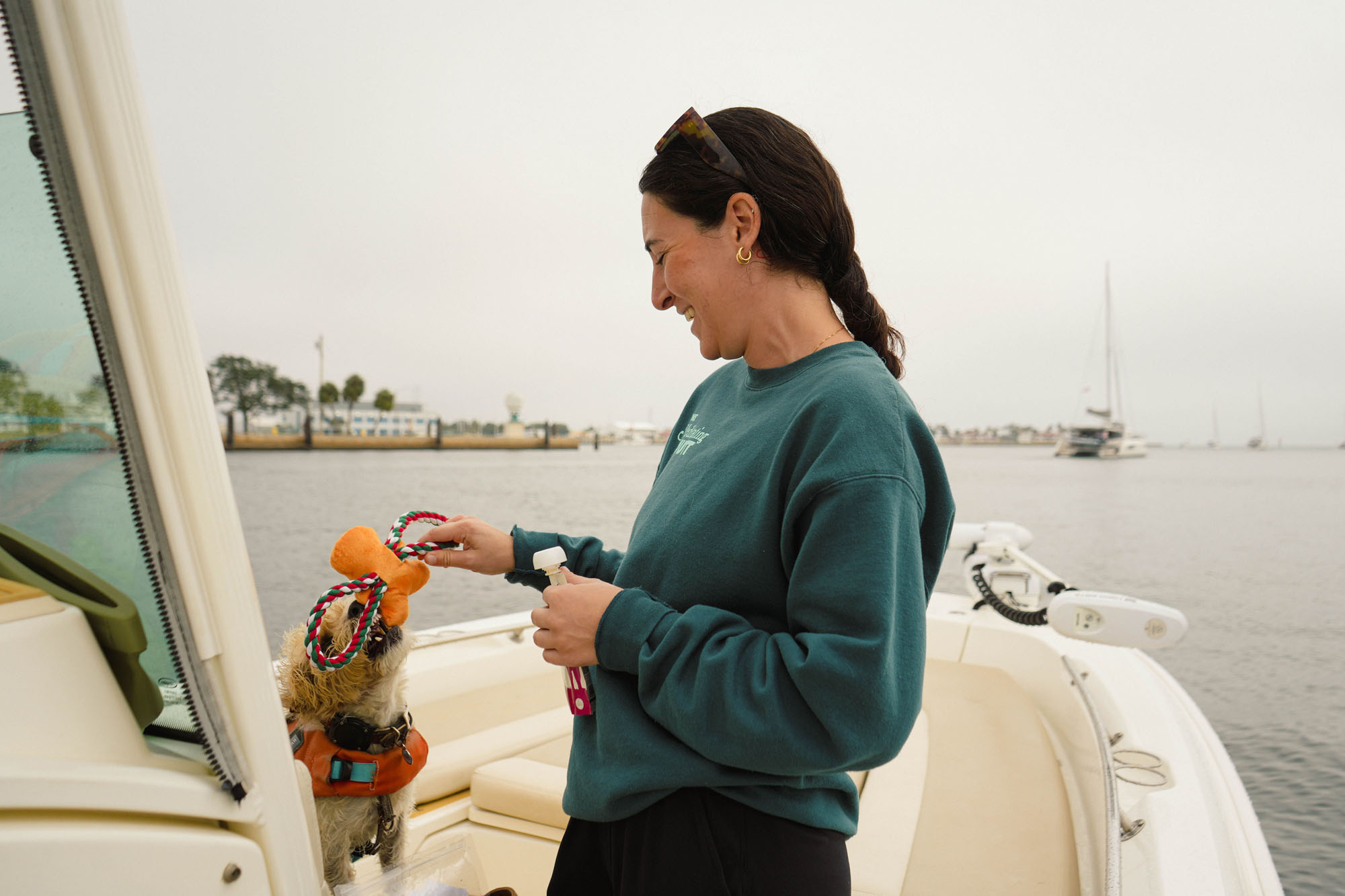
Looking for a dog trainer can feel overwhelming. There are so many options in the Tampa Bay area, and they all claim to get results. But the truth is, training methods vary dramatically—and the wrong approach can actually make your dog's problems worse.
Here's what to look for (and avoid) when choosing a trainer for your dog.
Questions to Ask Any Trainer
Before committing to a trainer, ask these questions. Their answers will tell you a lot about their approach:
"What happens when my dog does something right?"
A good answer: Positive reinforcement—treats, praise, play, or anything the dog finds rewarding.
"What happens when my dog does something wrong?"
A good answer: Redirect to a better behavior, manage the environment to prevent mistakes, or simply ignore and try again. Red flag: Any mention of corrections, punishment, or "consequences."
"What tools do you use?"
Good tools: Flat collars, front-clip harnesses, treats, long lines, mats/platforms. Red flags: Shock collars (even called "e-collars" or "stim"), prong collars, choke chains, invisible fences.
"Can I watch a session or see videos of your training?"
A confident trainer will be happy to show you their work. If they're evasive, that's a warning sign.
"What's your background and training?"
Look for trainers who pursue continuing education, hold certifications from reputable organizations, or can articulate a clear philosophy. The industry is unregulated, so credentials matter.
Red Flags to Watch For
Run the other way if a trainer:
Guarantees results. No ethical trainer can guarantee behavior outcomes. Dogs are individuals, and so are their humans. Anyone promising a "fixed" dog is oversimplifying.
Uses fear, pain, or intimidation. If a training method relies on making your dog afraid of consequences, it's not good training. It might suppress behavior short-term, but it damages trust and often creates new problems.
Talks about dominance, pack leadership, or alpha theory. These concepts have been debunked by modern animal behavior science. Trainers still using this language are working from outdated (and harmful) frameworks.
Won't explain their methods. You should understand what's being done to your dog and why. Vague answers like "proprietary methods" or "trust the process" are red flags.
Makes you feel judged. A good trainer knows you're doing your best. If you feel shamed or blamed, find someone else.
What Good Training Looks Like
Effective, ethical training is:
Relationship-based: It strengthens the bond between you and your dog, rather than creating fear or compliance through intimidation.
Individualized: Cookie-cutter programs don't account for your specific dog, household, and goals. Good trainers assess and adapt.
Educational: You should understand why your dog is doing what they're doing and how to support them. The trainer's job is to teach you, not create dependence.
Honest about timelines: Behavior change takes time, especially for anxiety, fear, and reactivity. Anyone promising quick fixes is likely cutting corners.
Transparent: You should always know what methods are being used and feel comfortable with them.
In-Home vs. Board and Train
Many trainers offer board-and-train programs where your dog stays with them for intensive training. This can be tempting—send your dog away and get them back "fixed."
Here's the problem: behavior doesn't transfer automatically. A dog who behaves perfectly with a trainer may revert to old patterns the moment they're back home. That's because behavior is context-dependent, and you (the owner) are the most important part of the equation.
In-home training, where a trainer works with you and your dog together in your actual environment, tends to create more lasting change. You learn the skills. You understand the why. And you can continue the work long after training ends.
Finding the Right Fit
Beyond methods, personality matters. You'll be working closely with this person, potentially for weeks or months. Look for someone who:
Listens to your concerns and goals.
Explains things clearly without condescension.
Makes you feel supported, not judged.
Is genuinely interested in your dog as an individual.
Trust your gut. If something feels off, it probably is.
Our Approach at The Meditating Mutt
We specialize in holistic, relationship-based training for anxious and reactive dogs in the Tampa, St. Petersburg, and Clearwater areas. Our approach focuses on understanding why behavior happens, regulating the nervous system, and teaching both dogs and owners skills that last.
We never use fear, force, or punishment. We don't promise quick fixes. What we offer is genuine understanding and sustainable change.
If you're looking for a trainer who will meet your dog where they are—and help both of you feel more confident—we'd love to chat. Book a consultation to get started.
What clients are saying
Calm dogs, happy homes
Stay Connected