
Does my dog hate my new life partner?
Your dog isn’t trying to sabotage your relationship — they’re simply struggling with change and uncertainty.With patience, management, and positive reinforcement, many dogs can learn that your partner is not a threat but part of their safe social circle.
Helping Your Dog Feel Comfortable Around Your New Partner
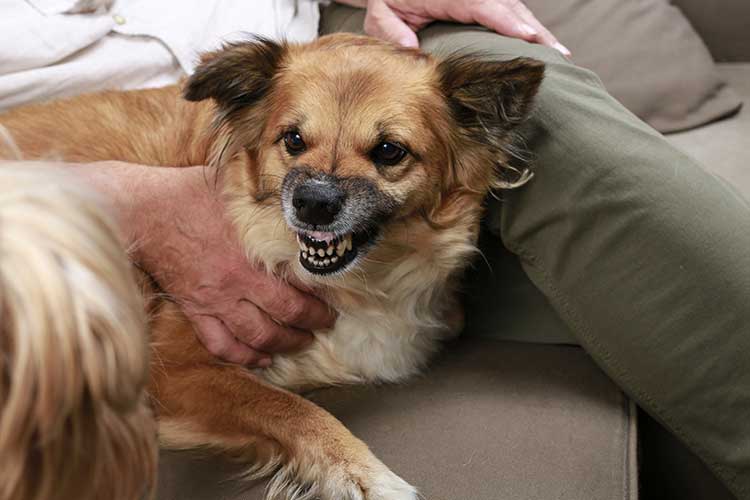
Bringing a new partner into your life is exciting, but for some dogs, it can feel confusing or even threatening. If your dog growls, guards you, or acts aggressively when your partner is nearby, you’re not alone. This is a fairly common situation that many dog guardians encounter.
The good news is that with patience, and thoughtful training, many dogs can learn that your partner is safe and even wonderful to have around.
Let’s talk about why this happens and how to start building a more positive relationship between your dog and your partner.
This Isn’t Jealousy
It’s easy to describe this behavior as “jealousy,” but dogs aren’t thinking about relationships the way humans do. What’s actually happening is usually a mix of **anxiety, resource guarding, and uncertainty**.
Your dog may see YOU as a valuable resource — comfort, safety, attention, food, and predictability all come from you. When a new person enters that picture, especially someone who gets close to you, your dog may feel like that resource is being threatened.
Signs can include:
* Growling when your partner approaches you
* Barking when your partner sits close
* Guarding your lap or space on the couch
* Reacting when you hug, kiss, or show physical affection
* Blocking the person from approaching you
These behaviors are your dog’s way of saying “I’m uncomfortable.” They are not trying to be dominant or spiteful.
Why Punishment Makes This Worse
When a dog shows aggression, it can be tempting to correct or punish the behavior. Unfortunately, punishment often makes the problem worse.
If your dog growls and gets punished, they may learn:
* The new person predicts something scary (punishment)
* Growling isn’t allowed, so they may skip warning signs in the future
Instead of fixing the underlying emotion, punishment suppresses communication while the anxiety remains.
Our goal is different: we want your dog to feel safe and positive about your partner’s presence.
The Goal: Counterconditioning
The most effective approach is counterconditioning- helping your dog form a new emotional association with your partner.
Instead of your partner predicting something stressful, we want them to predict amazing things like high-value food, play, or enrichment.
Over time, your dog’s brain begins to shift from:
**“Oh no, that person is near my human.”**
to
**“Oh wow, when that person shows up, great things happen!”**
Beginner Training Plan
This plan focuses on slow progress, safety, and positive associations.
Move at your dog’s pace. If your dog shows signs of stress (stiffness, growling, barking, lip licking, avoidance), you are moving too quickly!
Step 1: Start With Distance
Begin when your dog is calm and relaxed.
Have your partner enter the room at a comfortable distance from your dog. The moment your partner appears, you deliver high-value treats to your dog.
Think things like:
* small pieces of chicken
* cheese
* freeze-dried meat treats
When your partner leaves the room, the treats stop.
Your dog starts learning:
**Partner appears → amazing snacks happen.**
Step 2: Partner = Good Things
Your partner doesn’t need to interact with the dog right away. In fact, it’s often better if they **ignore the dog at first**.
Your partner can:
* calmly walk through the room
* sit quietly nearby
* toss treats past the dog (not directly at their face)
Your job is to keep the experience **predictable and positive**.
Step 3: Practice Calm Behaviors
As your dog becomes more comfortable, you can start reinforcing alternative behaviors such as:
* lying on a bed
* sitting calmly nearby
* chewing a toy
* relaxing on a mat
Reward your dog heavily for calm choices when your partner is present.
This helps your dog learn what behaviors "work" in this situation.
Step 4: Introduce Mild Physical Affection
Physical affection between humans can be a big trigger for some dogs.
Start small.
Examples:
* your partner sitting next to you
* briefly holding hands
* leaning slightly toward each other
While this happens, give your dog high-value reinforcement.
If your dog shows tension, create distance and make the exercise easier again.
Step 5: Use Management When Needed
Training takes time, and management helps prevent setbacks.
Helpful tools include:
* baby gates
* crates
* exercise pens
* tether setups
For example, if your dog struggles when you and your partner sit on the couch together, your dog might enjoy a stuffed enrichment toy behind a gate, while you relax.
Management is not failure — it protects your dog while learning is happening.
Step 6: Let the Dog Set the Pace
Eventually your dog may begin approaching your partner voluntarily. When that happens, your partner can:
* gently toss treats
* speak softly
* avoid looming over the dog
The goal is safe, voluntary interaction, not forcing affection.
When to Seek Professional Help
If your dog is displaying:
* intense guarding
* lunging or snapping
* escalating aggression
* extreme anxiety
it’s important to work with a qualified professional.
Look for a positive reinforcement trainer experienced in behavior modification, and in more serious cases consider working with a veterinary behaviorist. These specialists can evaluate underlying anxiety and create a tailored plan for your dog.
Your dog isn’t trying to sabotage your relationship — they’re simply struggling with change and uncertainty.
With patience, management, and positive reinforcement, many dogs can learn that your partner is not a threat but part of their safe social circle.
Focus on:
* building positive associations
* reinforcing calm behaviors
* moving at your dog’s comfort level
Progress may be gradual, but every positive interaction helps build trust.
And remember: you don’t have to navigate this alone. A skilled trainer can guide you and help set your dog up for long-term success. 🐾
What clients are saying
Calm dogs, happy homes

Stay Connected