
Decompression Walks: The Most Underrated Activity for Anxious Dogs
Forget miles and exercise goals. Decompression walks are about letting your dog sniff, explore, and decompress at their own pace. Here's why they might be exactly what your anxious dog needs.
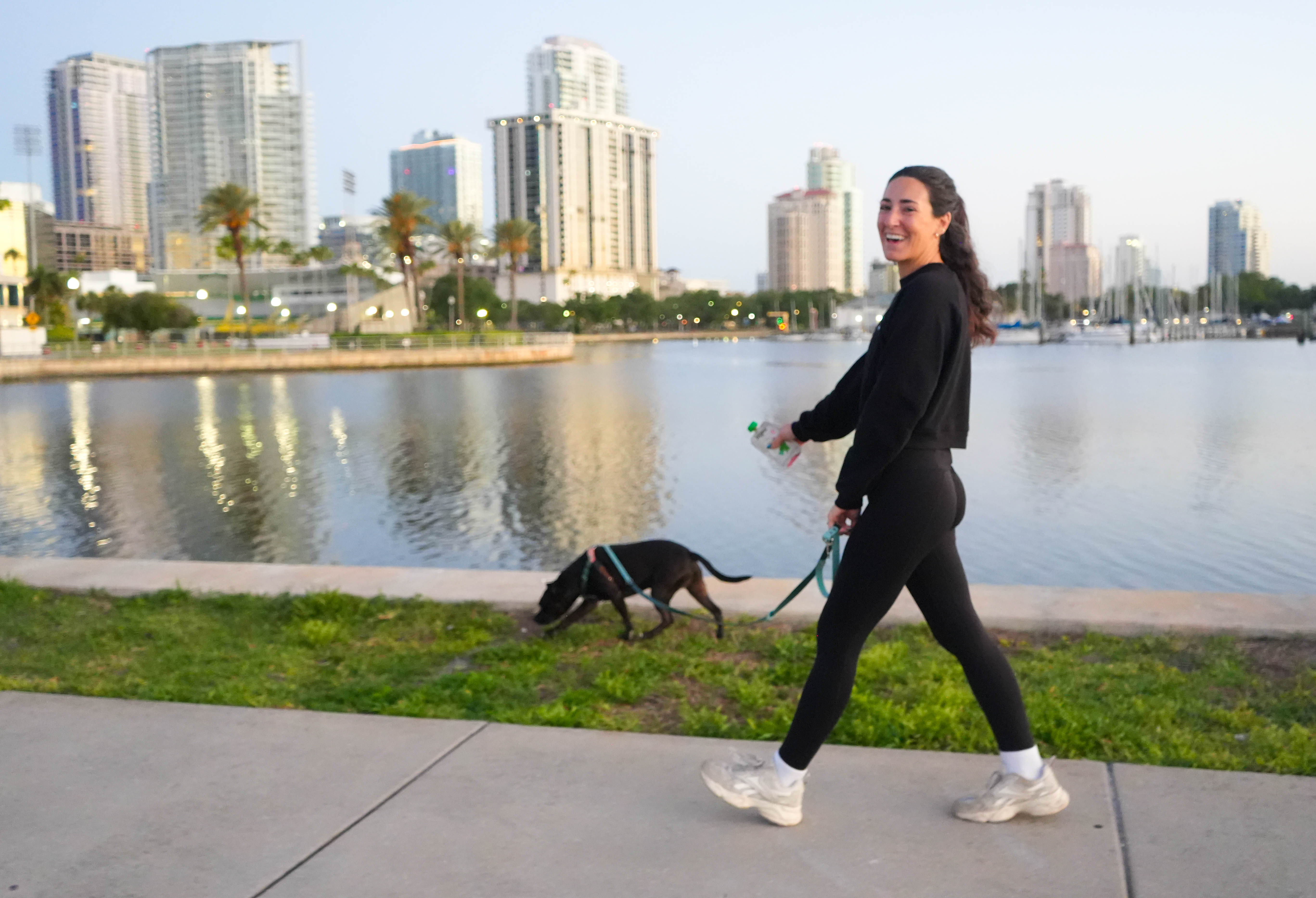
When most people think about walking their dog, they think about exercise. Getting steps in. Tiring them out so they'll be calm later.
But for anxious, reactive, or overstimulated dogs, this approach often backfires. More physical exercise can actually create a fitter, more wired dog — not a calmer one.
Enter the decompression walk: a completely different kind of outing that can genuinely transform your dog's mental state.
What Is a Decompression Walk?
A decompression walk isn't about distance, pace, or physical exercise. It's about letting your dog be a dog — sniffing, exploring, and processing the world at their own pace.
The key elements:
A long line (15-30 feet): This gives your dog freedom to explore while keeping them safe. A standard 6-foot leash doesn't allow enough autonomy for true decompression.
A quiet location: Choose somewhere with minimal triggers — few people, dogs, or unexpected stimuli. Nature trails, empty fields, or quiet neighborhoods work well.
No agenda: Let your dog lead. If they want to sniff one bush for five minutes, let them. If they want to stand and watch the wind, let them. You're not trying to get anywhere.
Following, not directing: Your job is to manage the long line and keep your dog safe, not to dictate where they go or when.
Why Sniffing Matters So Much
Dogs experience the world primarily through their noses. Their olfactory system is 10,000 to 100,000 times more sensitive than ours. Sniffing isn't just something dogs do — it's how they understand their environment.
Research shows that sniffing actually lowers a dog's heart rate and promotes calm. It's cognitively engaging without being physically arousing. Think of it as meditation for dogs.
When we rush dogs through walks, constantly redirecting their sniffing to keep moving, we're depriving them of crucial mental stimulation. It's like dragging a human through an art museum at a sprint — technically you "saw" everything, but you didn't actually experience it.
How Decompression Walks Help Anxious Dogs
For dogs who are anxious, reactive, or struggling with overstimulation, decompression walks provide something they desperately need: autonomy and choice.
Anxious dogs often feel like they have no control over their environment. Things happen to them. They react because they don't have better options.
On a decompression walk, your dog gets to make choices. Where to go. What to investigate. How long to spend. This sense of agency is incredibly calming.
Decompression walks also:
Lower cortisol: Sniffing and relaxed exploration help reduce stress hormones.
Provide mental enrichment: Processing all those smells is mentally tiring in the best way.
Build confidence: Exploring at their own pace helps dogs feel more capable and less overwhelmed.
Reduce reactivity triggers: By choosing quiet locations, you're not flooding your dog with stressors.
How to Do a Decompression Walk
1. Gear up properly. Use a well-fitted harness (not a collar, since the long line may catch on things) and a 15-30 foot long line. Biothane or lightweight nylon works well. Avoid retractable leashes — they create unpredictable tension.
2. Choose your location carefully. For anxious dogs, this matters a lot. Find somewhere with minimal triggers. If your dog reacts to other dogs, don't go to the dog park trail. Think: nature paths, empty schoolyards, quiet residential streets, or open fields.
3. Let your dog lead. Resist the urge to direct them. If they stop to sniff, wait. If they want to backtrack, go with them. If they just want to stand and observe, that's fine too.
4. Stay present but relaxed. Your energy matters. Scroll your phone, but stay aware. Don't stress about time or distance. Breathe.
5. Keep sessions appropriate. For dogs new to decompression walks, 20-30 minutes is plenty. You can extend as your dog builds the skill of being calm in new environments.
Common Mistakes
Choosing locations that are too stimulating. If your dog is reacting constantly, the walk isn't decompressing — it's adding stress. Find a quieter spot.
Rushing. If you're checking your watch and trying to cover ground, you're missing the point. This isn't about exercise.
Too much handling. Constant leash guidance, calling their name, or redirecting disrupts the flow. Let them be.
Doing this instead of addressing underlying issues. Decompression walks are wonderful, but they're one tool. If your dog has serious anxiety or reactivity, they likely need comprehensive support.
What to Expect
After a good decompression walk, most dogs are genuinely tired — not wired. You might notice:
Deep sleep afterward.
Generally calmer behavior at home.
Less pacing and restlessness.
Improved mood and engagement.
If your dog is more amped up after the walk, the location may have been too stimulating, or they may need more practice in truly relaxing outdoors.
Making It a Regular Practice
Decompression walks are most effective when they're consistent. Even one or two per week can make a noticeable difference in your dog's baseline stress level.
They're also a wonderful practice for you. Slowing down, following your dog's lead, and just being present together can be surprisingly peaceful.
Your anxious dog doesn't need more exercise. They need more opportunities to just be a dog — to sniff, explore, and experience the world without pressure.
Give them that, and you might be amazed at what shifts.
What clients are saying
Calm dogs, happy homes
Stay Connected