
5 Signs Your Dog May Be Struggling with Anxiety
Learn to recognize the subtle signs of canine anxiety and discover gentle ways to help your pup feel more secure and confident in their daily life.
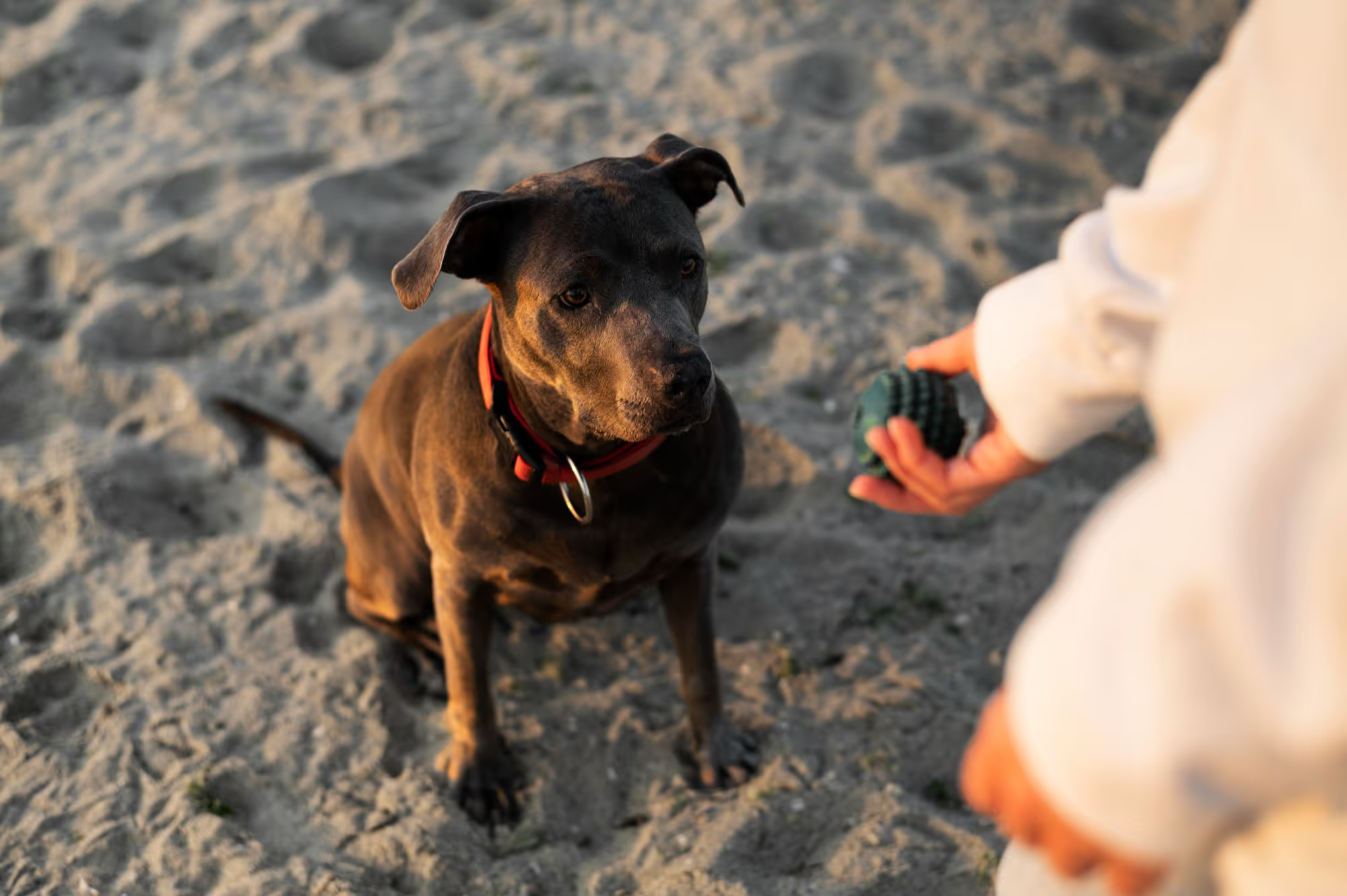
As a dog trainer specializing in anxious and reactive dogs, I've seen countless pups transform when their owners learn to recognize and address anxiety early. Many people don't realize their dog is anxious until behaviors escalate, but there are often subtle signs that appear long before.
Understanding Canine Anxiety
Anxiety in dogs isn't always obvious. While some dogs may cower or shake, others show their stress in less apparent ways. Learning to read these signs is the first step toward helping your furry friend feel safe and secure.
The Top 5 Signs
1. Excessive Panting or Drooling
If your dog is panting heavily when it's not hot or after exercise, this could be a sign of stress. Similarly, excessive drooling (when not food-related) often indicates anxiety.
2. Avoidance Behaviors
Does your dog hide, turn away, or refuse to engage in certain situations? Avoidance is a key indicator that your pup is uncomfortable and trying to remove themselves from a stressful scenario.
3. Destructive Behavior
Chewing, digging, or destroying household items—especially when you're away—often stems from separation anxiety or general stress rather than "bad behavior."
4. Changes in Body Language
Watch for whale eye (showing the whites of their eyes), tucked tail, pinned-back ears, or a tense body posture. These subtle signals tell you your dog isn't feeling comfortable.
5. Excessive Licking or Self-Grooming
Compulsive licking of paws, legs, or other body parts can be a self-soothing behavior that indicates underlying anxiety.
What You Can Do
If you recognize these signs in your dog, don't worry—there's hope! Here are some immediate steps you can take:
- Create a safe space where your dog can retreat when feeling overwhelmed
- Maintain a consistent routine to provide predictability
- Use positive reinforcement to build confidence
- Consider calming aids like puzzle toys or calming music
- Consult with a professional trainer who specializes in anxiety
Remember, anxiety doesn't mean your dog is broken or that you've failed as a pet parent. With patience, understanding, and the right approach, most anxious dogs can learn to feel more confident and relaxed.
If your dog is showing signs of anxiety, I'd love to help. Mobile training sessions allow us to work in the environment where your dog feels most comfortable, building confidence one step at a time.
What clients are saying
Calm dogs, happy homes
Stay Connected